
June 21, 2026
Cash Riley Jr.
Founder & CEO, The Machine Agency, Dallas, Texas
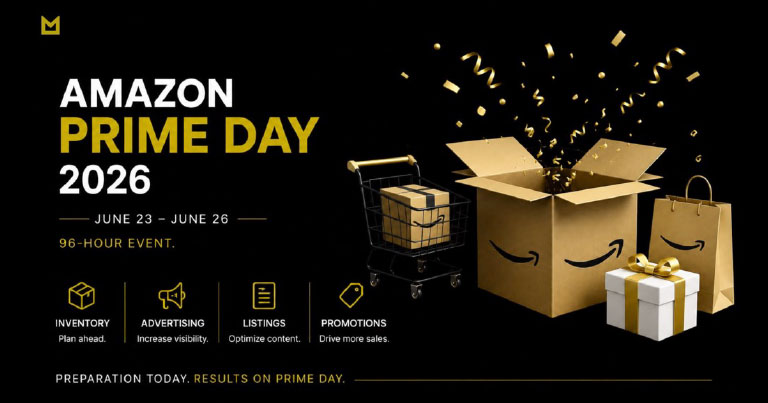
Amazon has officially announced that Prime Day 2026 will run from June 23 through June 26, making it the longest Prime Day event to date.
On the surface, that sounds like great news for sellers. More shopping hours. More traffic. More opportunities to generate sales.
But Prime Day success is rarely determined during the event itself. It’s determined by the work happening right now.
Every year, brands spend weeks planning discounts and increasing ad budgets, only to discover inventory issues, listing weaknesses, or campaign inefficiencies once traffic starts pouring in. By then, it’s often too late to make meaningful changes.
The brands that perform best during Prime Day are usually not the ones offering the biggest discounts.
They’re the ones that are prepared.
Why Prime Day Success Starts Before Prime Day?
A surge in traffic means nothing if products go out of stock halfway through the event.
With Prime Day expanding to 96 hours this year, inventory planning becomes even more important. Brands should already be reviewing demand forecasts, monitoring replenishment timelines, and identifying potential bottlenecks across their catalog.
Running out of inventory during Prime Day doesn’t just impact sales for four days. It can affect organic ranking, advertising performance, and overall momentum long after the event ends.
Advertising is another area where preparation matters. Prime Day attracts more shoppers, but it also attracts more advertisers. Competition increases, CPCs rise, and brands that wait until the last minute often end up paying more for less visibility.
Now is the time to review campaign structures, identify top-performing keywords, and ensure budgets are aligned with your Prime Day objectives.
Just as importantly, brands should take a hard look at their listings.
Prime Day often exposes weaknesses that go unnoticed during normal traffic periods. A weak main image, unclear positioning, poor A+ Content, or inconsistent messaging can significantly impact conversion rates when thousands of additional shoppers land on your product pages.
More traffic doesn’t automatically mean more sales. More traffic simply magnifies whatever already exists. Strong listings convert better. Weak listings become expensive.
Early Deals Are Already Live
Amazon has already begun rolling out early Prime Day deals ahead of the official June 23 launch.
For shoppers, that’s an opportunity to start saving early. For brands, it’s a reminder that Prime Day has already started for their competitors.
The most successful Prime Day strategies are rarely built the week before the event. They are built weeks in advance through inventory planning, advertising optimization, content improvements, and promotional strategy.
The Bottom Line
Prime Day 2026 is shaping up to be one of Amazon’s biggest events yet.
The extended event window creates more opportunity, but it also creates more competition.
Brands that prepare now will enter Prime Day with a clear advantage. Brands that wait until the last minute will likely spend the event reacting instead of executing.
If you’re unsure whether your account is ready, schedule a free Amazon audit with TMA. We’ll identify the opportunities, risks, and gaps that could impact your Prime Day performance.